Reflection
Conducting this interview with Dr. J. Logan Smilges reshaped the way I understand queer silence and its relationship to digital spaces, which includes spaces for students and spaces for gay men like Grindr. Going into the conversation, I expected and thought that silence would function mainly as a lack of voice or presence, but that wasn't the only function that Dr. Smilges referred to. Instead, the interview pushed me to see silence as a strategy, a form of resistance, and a rhetorical choice that is often deeply intertwined with disability. Preparing the questions and transcribing the conversation made me slow down and listen not only to what was being said, but to pauses, hesitations, and tone shifts that carried meaning beyond words.
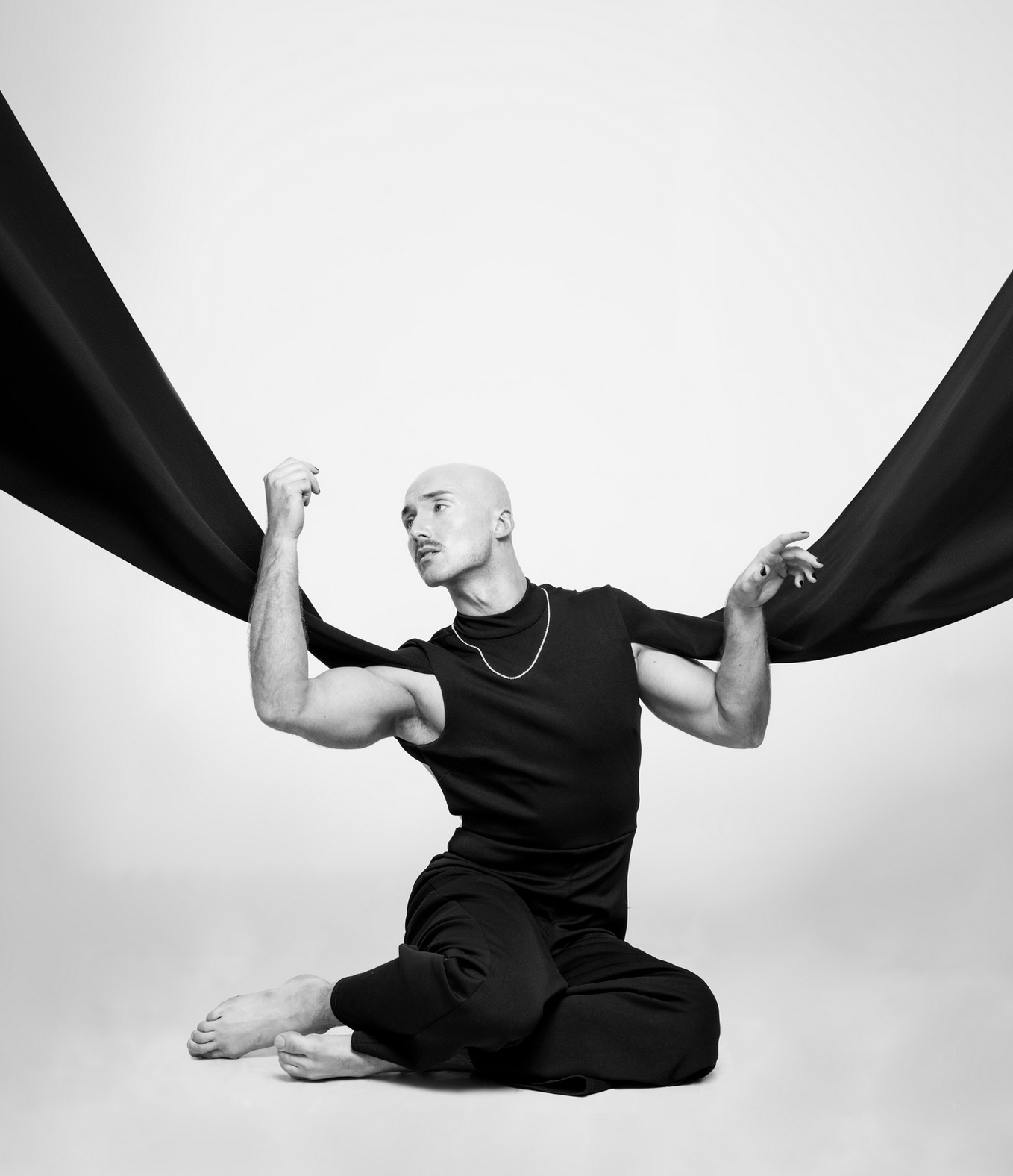
Featured Works by Dr. J. Logan Smilges
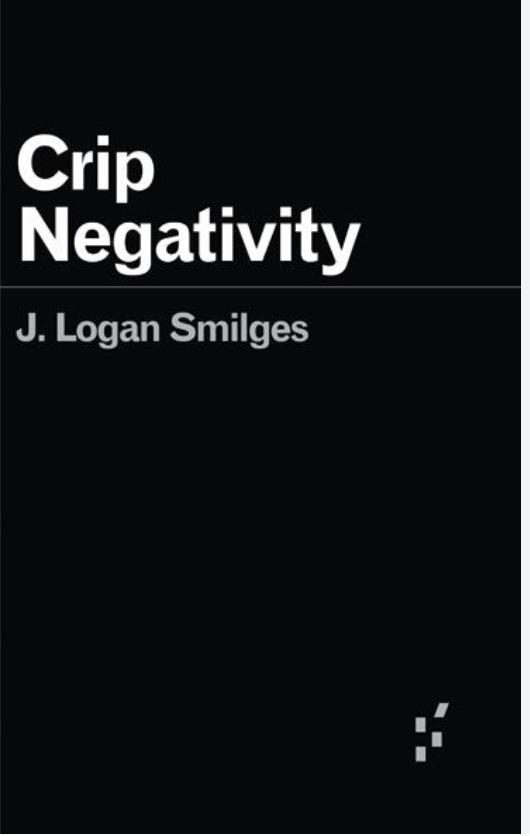
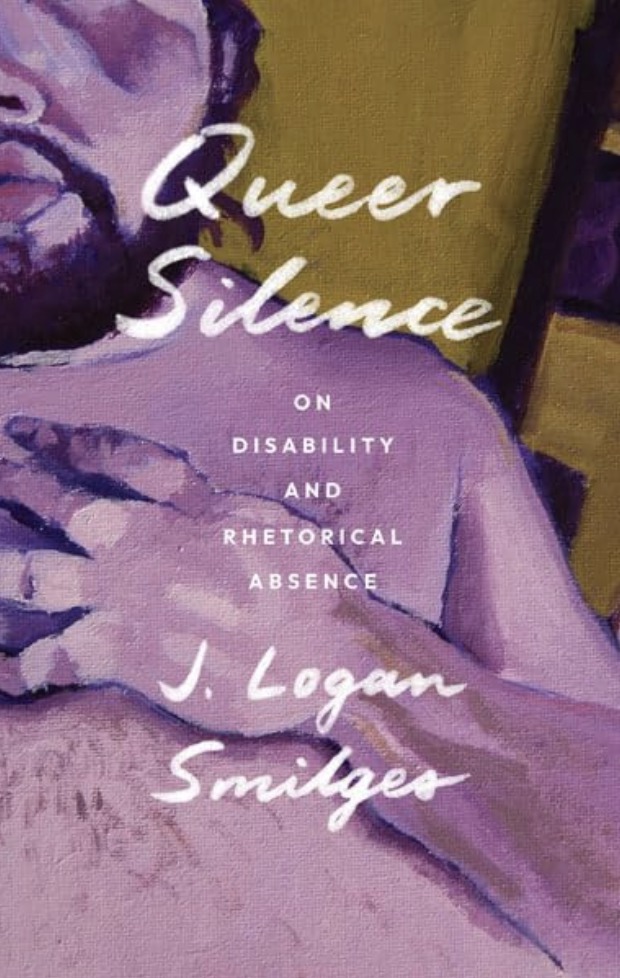
Look Inside Crip Negativity
One of Dr. Smilges's books, Crip Negativity, helped me further understand the meaning of rhetorical absence, queer digital embodiment, and silence. Although my interview questions were based on Queer Silence, most of my questions were inspired from pieces of Crip Negativity. Also, Crip Negativity's critique of liberal disability politics shaped the way I thought about pedagogy, digital spaces, queer resistance, and identity formation. Although my questions in the interview were centered on college-based pedagogy, I found an excerpt from Crip Negativity that I feel opened the door for Dr. Smilges to expand across all grade levels, not just college:
But as my high school experience demonstrates, ableism casts a wider net than the language of access is able to capture. In my case, nothing about my education was inaccessible. I could get into the building and to all of my classes. I could understand the lessons and complete the assignments. I had a range of extracurricular activities I could choose from and participate in if I wanted. I had teachers who offered a variety of formal and informal accommodations to help me fulfill course objectives. And yet despite all this access, ableism still managed to make my life absolutely fucking miserable. If anything, I wanted less access, less contact with ableds, less time spent in spaces structured by neurotypicality, and less energy expended accommodating me into a community that exploited my neuroqueerness as an opportunity to ossify its superiority. (p. 3)
Furthermore, Dr. Smilges's work doesn't just focus on one subject or one grade level but is applicable to everyone.
Quotes That I Resonated With
In this drop-down menu, I've provided quotes from both readings that I resonated with as well as was inspired from when putting together the webtext.
"On Grindr, one cannot help but wrestle with the bodyminds of the users, both individually and collectively, who are not only operating the accounts but visibly plastered all over the screen" (p. 79).
Grindr is seen to be a hookup app and oftentimes men are creating a self image that doesn't depict who they truly are in order to reel in men. Due to Grindr's image, they continue to release advertisements that depict strong, white, good-looking men when in reality that is not the only gay male in this world. There are men who are confident and show who they are, but those who aren't continue to be silenced due to not fitting in with the rest of the men on the app. Smilges talks about this queer silence in their book.
"For a Grindr profile picture, the studium might be white teeth in a wide smile, the size of a pectoral muscle, or the density of a pair of eyebrows. These are features of a picture that users are trained to look for, that they are meant to find appealing or at least to notice" (p. 77).
This not only connects to what I said above, but I also fall victim to this man that Grindr is depicting, and there are a lot of men in the same boat. Nonetheless, gay men who enter Grindr are trained to alter who they are while on the app because they feel if they are similar to others on the app they will find love or an easy hookup. What is great about this topic is that this can be seen within women's magazines as they also depict a subject that does not represent every woman but yet they still push the image. It's about being more inclusive and giving a voice and platform for all genders and in return we all can have a voice versus the one voice, the norm, that is pushed on us in society.
"Access, in this case, is synonymous with integration. The more thoroughly that disabled students are integrated into the world of ableds, the more 'appropriate' their education must be—or so IDEA assumes. But this version of accommodation, what I call integrative access, fails to account for how ability operates as a structural norm, informing the ableist cultures into which disabled students are expected to integrate. My experience in high school was deeply shaped by ableism, even though I had all the access I needed for a successful integration. My education was 'appropriate,' in accordance with IDEA, but the conditions under which my education took place made it nearly unbearable" (p. 3).
I personally resonated with this and found this quote to be extremely important even in today's society. We're living in a society where voices are being silenced and students not a part of the norm are left out. This also connects to Queer Silence since it discusses marginalized voices and those who aren't given the same opportunity to be seen.
"No amount of integration can undo the violence woven into the threads of the world as we know it. No number of open doors can air out the toxicity that stinks up the room. Access does not by itself fix ableism. To suggest or imply otherwise is to fall prey to a 'cruel optimism' that can only end in disappointment when the access we demand merely shifts the variety of ableism we face (Berlant 2011). That is to say: Even if we get them to let us in, we can't make them want us there. Even if they say they want us there now, how do we trust them after all this time?" (p. 5).
While taking into consideration our current political climate, it's more important than ever to undo the violence woven into the threads of the world. Crip Negativity and Queer Silence walk us through what the world looks like and how queer people feel the need to stay silent when we shouldn't be.
Conclusion
Concluding this webtext, it was a pleasure interviewing Dr. Smilges, as I've resonated deeply with their work. Conducting our interview to put together this webtext helped me a lot as I continue my academic career. I'm forever grateful for Dr. Smilges as they were able to meet with me on such short notice. Although I've read their work, this webtext really put into perspective their true meaning which is reflected in my design choices.